Start here
What are essential oils?
In one sentence
Essential oils are the natural oils found inside plants, taken out by steam or by pressing, and used in three ways — in the air, on the skin, and for some oils, in food and water.
Plants make them, not us
To attract
To defend
To survive
To repair
Which part of the plant?
Flower
Lavender
Leaf
Peppermint
Peel
Lemon
Bark and resin
Frankincense
Root
Ginger
Seed
Cardamom
How the oil comes out
Steam distillation
Cold pressing
Why it is so strong
It takes roughly a kilo of lavender flowers to fill one small bottle. That is why a drop or two is usually enough, and why a carrier oil is the usual companion when you put an oil on your skin.
Where the plant grows changes the oil
Grown where it belongs
Picked at the right moment
Distilled near the farm
How to tell if a bottle is pure
The plant's real name
Where it came from
Testing you can actually see
Three ways to use them
Aromatic
Topical
Internal
What people use them for
Body and wellbeing
Around the home
In the kitchen
Personal care
Atmosphere and routine
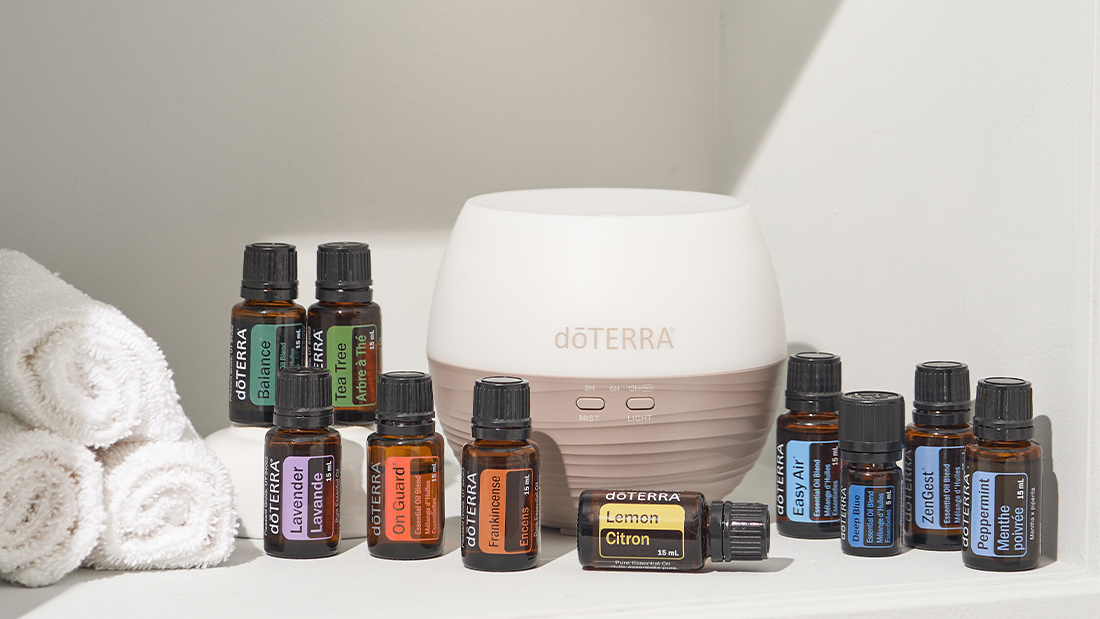
None of this is new
Which oils are right for you?
Common questions
What exactly is an essential oil?
Where do essential oils come from?
How are essential oils made?
Are essential oils the same as fragrance oils?
How do you use essential oils?
Can you put essential oils straight onto your skin?
Can you drink or swallow essential oils?
How do you know if an essential oil is pure?
Which essential oils should I start with?
Are essential oils a new trend?
A few rules worth knowing
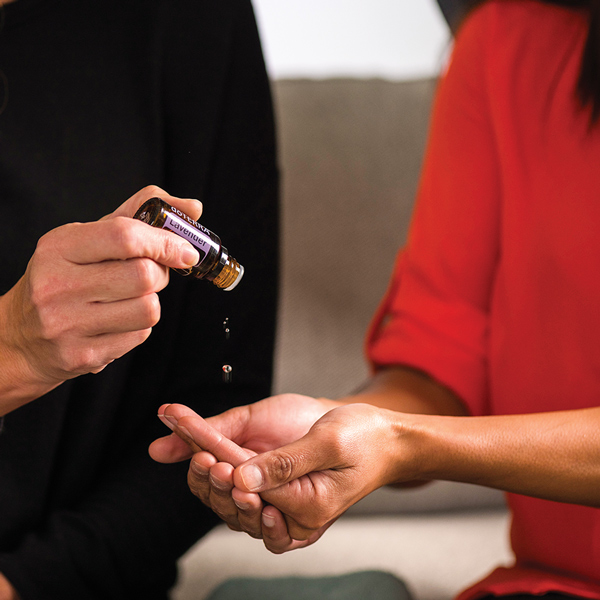
The easiest way to learn them is with someone who uses them every day
A Healer at Home session is an hour with the oils in your hands — what each one is, how to use it, and how to build a small routine that fits your household. They are free.